
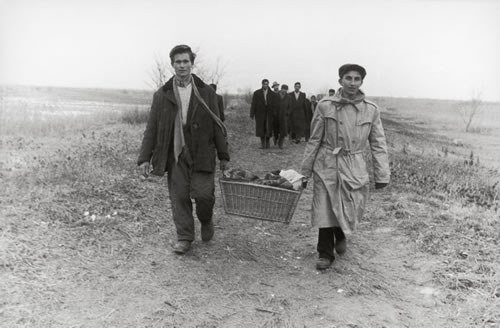
 November 4, 1956
In response to protests that began in October, Soviet tanks rolled into Budapest. The city endured days of heavy shelling and street battles, and Hungarians started to flee at the rate of thousands a day to neighboring Austria. By the time the borders were fully sealed, some 180,000 Hungarian refugees had made their way to Austria and 20,000 had headed south into Yugoslavia. Within days of the exodus starting, an extraordinary operation sprang up in Austria, not only to care for the refugees, but to move them out of the country almost as fast as they arrived. In the end, 180,000 were resettled from Austria and Yugoslavia to a total of 37 different countries – the first 100,000 of them in under ten weeks. The 1956 uprising and its aftermath helped shape the way humanitarian organizations were to deal with refugee crises for decades to come and left an indelible mark on international refugee law and policy.

