
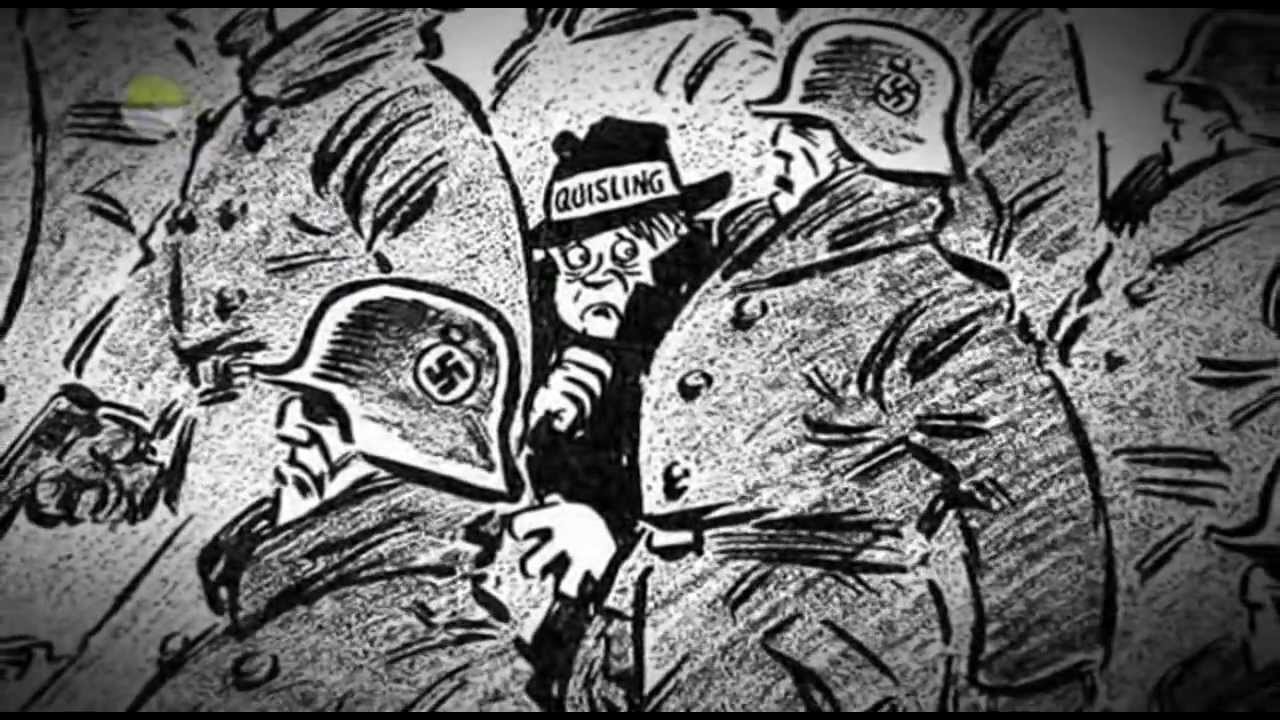
No Nobel Peace Prizes were awarded from 1939 through 1943. In 1939 there were seven viable nominations: Mahatma Gandhi, American peace activist Carrie Chapman Catt, Swedish pacifist Carl Lindhagen, French union leader Léon Jouhaux, U.S. Secretary of State Cordell Hull, former president of Czechoslovakia Edvard Beneš, (nominated by Winston Churchill) and the British prime minister Neville Chamberlain. Chamberlain seemed to be the front-runner, for his negotiation with Hitler of the Munich Pact, handing portions of Czechoslovakia to Germany and declaring that he had secured “peace for our time.” In the spring of 1939 Hitler violated the Pact by occupying the rest of the Czech territory and making Slovakia a German puppet state. To select Beneš, by then in exile in England, was considered too provocative towards the Nazis and Norway, dependent on the British Navy for protection, was wary of selecting Gandhi and alienating Churchill. Before any decision could be made about the 1940 prize, Norway was invaded by Germany; the resistance collapsed, and the government went into exile. Norway fell under German control. The Germans, then the puppet Quisling government, attempted to take over the Nobel Institute but we stymied because it was legally the property of Sweden. The funds that normally would have gone to the prize were instead accrued to the Nobel Foundation in Stockholm.
The Nobel Peace Prize is one of the five Nobel Prizes created by the Swedish industrialist, inventor, and armaments manufacturer Alfred Nobel. Since 1901 it has been awarded annually (with some exceptions) to those who have “done the most or the best work for fraternity between nations, for the abolition or reduction of standing armies and for the holding and promotion of peace congresses” Over the next few months we’ll be introducing you to the past Nobel laureates, leading up to the award of the 2016 prize in October.

