
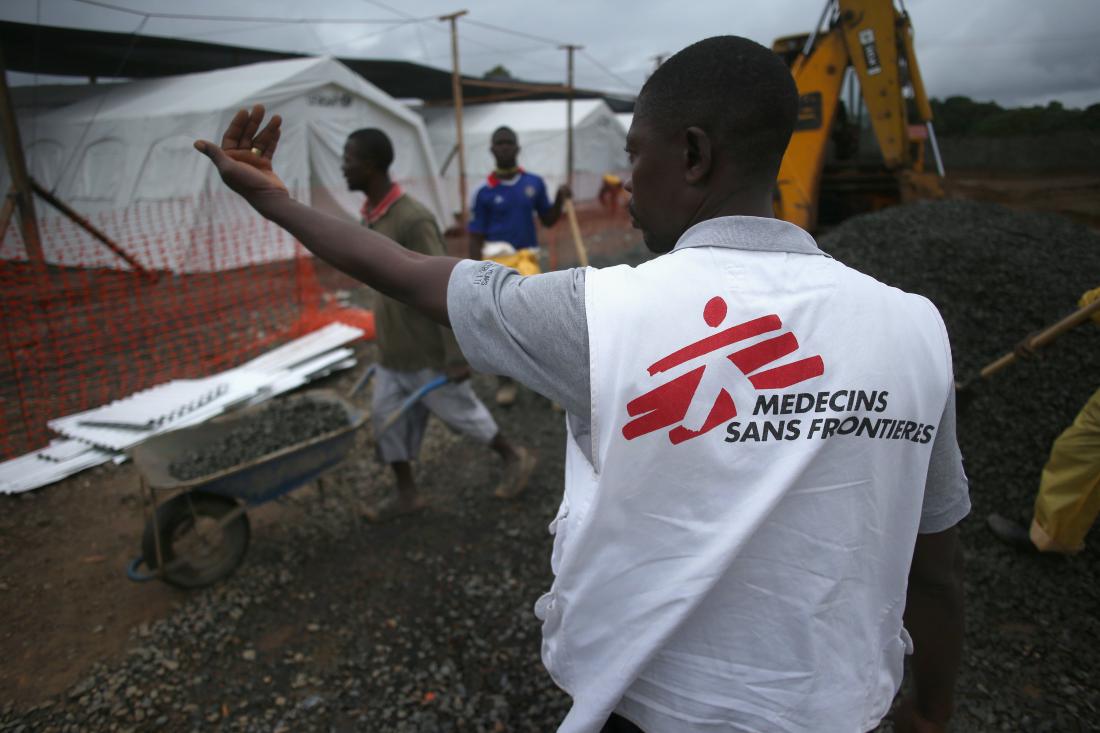
The 1999 Nobel Peace Prize was awarded to Médecins Sans Frontières (Doctors Without Borders), based in Switzerland, in recognition of the organization’s pioneering humanitarian work on several continents. In the Nobel lecture, James Orbinski, a Canadian physician who was then President of the International Council of Médecins Sans Frontières noted:
“There are limits to humanitarianism. No doctor can stop a genocide. No humanitarian can stop ethnic cleansing, just as no humanitarian can make war. And no humanitarian can make peace. These are political responsibilities, not humanitarian imperatives. Let me say this very clearly: the humanitarian act is the most apolitical of all acts, but if it actions and its morality are taken seriously, it has the most profound of political implications. And the fight against impunity is one of these implications.”
The Nobel Peace Prize is one of the five Nobel Prizes created by the Swedish industrialist, inventor, and armaments manufacturer Alfred Nobel. Since 1901 it has been awarded annually (with some exceptions) to those who have “done the most or the best work for fraternity between nations, for the abolition or reduction of standing armies and for the holding and promotion of peace congresses” Over the next few months we’ll be introducing you to the past Nobel laureates, leading up to the award of the 2016 prize in October.

