

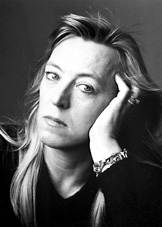
The 1997 Nobel Peace Prize was awarded to the International Campaign to Ban Landmines, based in Switzerland, and to Jody Williams, of the United States, for their work for the banning and clearing of anti-personnel mines. In her Nobel lecture, Williams summarized the essential problem with land mines:
“Landmines distinguish themselves because once they have been sown, once the soldier walks away from the weapon, the landmine cannot tell the difference between a soldier or a civilian — a woman, a child, a grandmother going out to collect firewood to make the family meal. The crux of the problem is that while the use of the weapon might be militarily justifiable during the day of the battle, or even the two weeks of the battle, or maybe even the two months of the battle, once peace is declared the landmine does not recognize that peace. The landmine is eternally prepared to take victims. In common parlance, it is the perfect soldier, the ‘eternal sentry.’ The war ends, the landmine goes on killing.”
The Nobel Peace Prize is one of the five Nobel Prizes created by the Swedish industrialist, inventor, and armaments manufacturer Alfred Nobel. Since 1901 it has been awarded annually (with some exceptions) to those who have “done the most or the best work for fraternity between nations, for the abolition or reduction of standing armies and for the holding and promotion of peace congresses” Over the next few months we’ll be introducing you to the past Nobel laureates, leading up to the award of the 2016 prize in October.

