
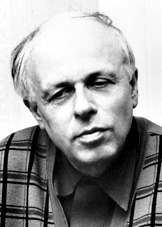
The 1975 Nobel Peace Prize was awarded to Andrei Dmitrievich Sakharov, of the Soviet Union, for his struggle for human rights, for disarmament, and for cooperation between all nations. Sakharov, a physicist, was the father of the Soviet hydrogen bomb. The leaders of the Soviet Union refused Sakharov permission to travel to Oslo to receive the Prize and deprived of all his Soviet honorary titles. For several years, he and his wife were kept under strict surveillance in the city of Gorky. Only when Gorbachev came to power in 1985 were they allowed to return to Moscow.
The Nobel Peace Prize is one of the five Nobel Prizes created by the Swedish industrialist, inventor, and armaments manufacturer Alfred Nobel. Since 1901 it has been awarded annually (with some exceptions) to those who have “done the most or the best work for fraternity between nations, for the abolition or reduction of standing armies and for the holding and promotion of peace congresses” Over the next few months we’ll be introducing you to the past Nobel laureates, leading up to the award of the 2016 prize in October.

