
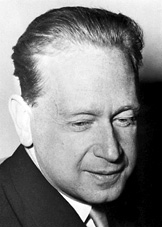
The 1961 Nobel Peace Prize was awarded posthumously to Dag Hammarskjöld, of Sweden, Secretary General of the U.N., for strengthening the organization. The year before, Hammarskjöld was killed when his plane crashed on its way to visit President Tshombe in the breakaway Katanga Province, in an attempt to resolve fighting between UN and Congolese forces in their civil war. It was the first time that the UN used armed force to intervene as a noncombatant peace force in the solution of a problem involving the termination of colonial rule. In 1974 the Nobel Committee amended their rules to forbid posthumous awards.
The Nobel Peace Prize is one of the five Nobel Prizes created by the Swedish industrialist, inventor, and armaments manufacturer Alfred Nobel. Since 1901 it has been awarded annually (with some exceptions) to those who have “done the most or the best work for fraternity between nations, for the abolition or reduction of standing armies and for the holding and promotion of peace congresses” Over the next few months we’ll be introducing you to the past Nobel laureates, leading up to the award of the 2016 prize in October.

