
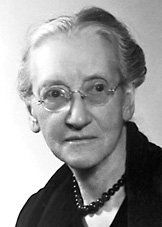
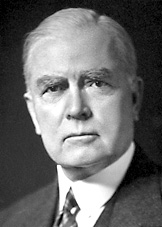
The 1946 Nobel Peace Prize was awarded to Emily Greene Balch, of the United States, formerly Professor of History and Sociology (at Wellesley) and the Honorary International President of the Women’s International League for Peace and Freedom and to John Raleigh Mott, also of the United States, Chairman of the International Missionary Council and President, World Alliance of Young Men’s Christian Associations. In her Nobel Lecture, Balch said, “We must not be discouraged that the threads of our social texture cross one another. We must remember that nothing can be woven out of threads that all run the same way. . . . differences as well as likenesses are inevitable, essential, and desirable. An unchallenged belief or idea is on the way to death and meaninglessness.”
The Nobel Peace Prize is one of the five Nobel Prizes created by the Swedish industrialist, inventor, and armaments manufacturer Alfred Nobel. Since 1901 it has been awarded annually (with some exceptions) to those who have “done the most or the best work for fraternity between nations, for the abolition or reduction of standing armies and for the holding and promotion of peace congresses” Over the next few months we’ll be introducing you to the past Nobel laureates, leading up to the award of the 2016 prize in October.

