
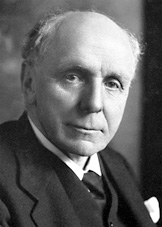
The 1937 Nobel Peace Prize was awarded to Cecil of Chelwood, Viscount (Lord Edgar Algernon Robert Gascoyne Cecil), of the United Kingdom, for his work with the League of Nations. In the early 1930s, two events destroyed people’s belief in the ability of the League to stop wars. By February 1932, Japan had invaded and conquered Manchuria. It took the League nearly a year to send a commission and declare that Japan ought to leave — whereupon Japan left the League. The League couldn’t send an army, and it needed America’s support to impose sanctions successfully. In the end, it did nothing. Three years later, Italy invaded Abyssinia. Although the Abyssinian emperor Haile Selassie went to the League himself to ask for help, all the League did was to ban arms sales, which did Abyssinia more harm than Italy. A League commission offered Italy part of Abyssinia, but Italy invaded anyway. Far from stopping Italy, Britain and France tried to make a secret deal (the Hoare-Laval Pact) to give Abyssinia to Italy. In 1933 Hitler announced that Germany was leaving the League, started re-arming in 1935 and reoccupied the Rhineland in 1936. In 1937, Italy left the League.
The Nobel Peace Prize is one of the five Nobel Prizes created by the Swedish industrialist, inventor, and armaments manufacturer Alfred Nobel. Since 1901 it has been awarded annually (with some exceptions) to those who have “done the most or the best work for fraternity between nations, for the abolition or reduction of standing armies and for the holding and promotion of peace congresses” Over the next few months we’ll be introducing you to the past Nobel laureates, leading up to the award of the 2016 prize in October.

