
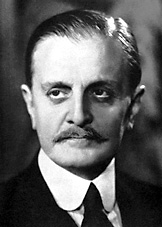
The 1936 peace Prize was awarded to Carlos Saavedra Lamas, of Argentina, for his mediation of an end to the Chaco War between Paraguay and Bolivia. He was the first Laureate from South America, and, in his Presentation Speech by historian Christian Lous Lange, a member of the Nobel Committee, echoed the naïveté of the time: “Latin America . . . does not suffer from the problem of nationalism, nor is there racial conflict with the indigenous Indian population, its absence being largely due to the influence and example of the Catholic missionaries who approached the so-called «primitive» peoples in a spirit of understanding.”
The Nobel Peace Prize is one of the five Nobel Prizes created by the Swedish industrialist, inventor, and armaments manufacturer Alfred Nobel. Since 1901 it has been awarded annually (with some exceptions) to those who have “done the most or the best work for fraternity between nations, for the abolition or reduction of standing armies and for the holding and promotion of peace congresses” Over the next few months we’ll be introducing you to the past Nobel laureates, leading up to the award of the 2016 prize in October.

