
March 29, 1940
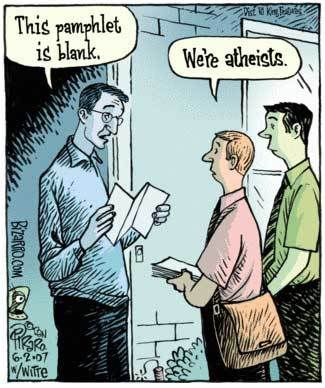 In Cantwell v. Connecticut the Supreme Court ruled unanimously that a statute requiring a license to solicit for religious purposes is a form of prior restraint which vests the state with unconstitutional power in determining which groups must obtain a license and which have a genuine “religious cause”. Newton Cantwell and his two sons, Jehovah’s Witnesses, ignored a New Haven, Connecticut statute requiring that anyone wishing to solicit funds or distribute materials had to apply for a license, believing the requirement was beyond the government’s secular authority. They were convicted under a law which forbade the unlicensed soliciting of funds for religious or charitable purposes, and also under a general charge of breach of the peace because they had been going door-to-door with books and pamphlets in a predominately Roman Catholic area, playing a record entitled “Enemies” which attacked Catholicism.

